


Last week Nic described how we communicate remotely. This week I am going to discuss how we keep track of our money- anyone else want to run away now? I’m not going to sugar coat it, finances can be a boring task, seriously boring, but they need to be done if you want to have any chance of running a successful business in any industry.
With tasks that are less exciting than doing actual development work, it is important to make them as easy as possible. Because we are a remote studio, and I can’t afford to pull out any more hair, we had to come up with a system that made it easy for me to track our income and expenses. I’ve decided to share our system to help solve this problem to help you guys that might be starting out. I mean financial tracking, not a balding problem, I wish I had a solution for that.
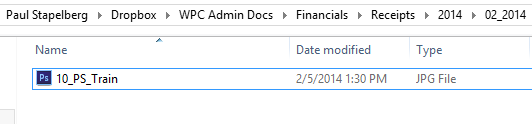
Ok, back on topic. We use dropbox to store all our invoices and receipts. Every time we buy something we either upload the original receipt or take a photo of the original from our phones which link straight to dropbox. We separate our receipts in monthly folders. We also name the receipts with our own little formula. We list the cost, then initials of who bought it, and a very short description (example of me spending $10 to buy a train ticket – 10_PS_Train). There are a couple of benefits to doing this. First off, all the receipts for the month are in one place and easy for everyone to access. It also makes it easy when viewing your bank statement to find the corresponding receipt. This way everyone can see what was bought and how much it cost. Having access to that data means that no one is surprised by any costs when it comes time to do the cashflow.
 In the beginning we decided we wanted to have a very secure bank account. We went the whole nine yards and made sure that for any purchases or change to the account we needed two people to sign. We started with a system where we would individually buy things and invoice the company for reimbursement. We quickly realised that this was just more trouble that it was worth. Don’t even ask me why we thought this was a good idea to begin with. Now we have a much simpler set up where we all have our own cards and pay for things directly through the company, making life a lot easier for the handsome guy doing the cashflow statements (that’s me by the way).
(Jack: Our system works because we all trust each other, and you should be cautious when creating your bank accounts. Expect an article on who to start a studio with soon.)
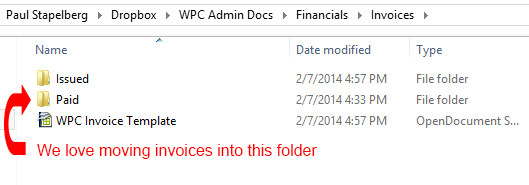
To complete a monthly cashflow I also need to keep track of our income, so we upload all our client invoices to dropbox. We have started using a neat folder structure which seems to work well. Basically we have an ‘Issued’ and ‘Paid’ folder for invoices. I think it is fairly obvious what each of these folders are for. It’s a neat way for us to track paid and outstanding invoices. Once again this is also a good way for everyone to see our income for the month.
Once we have our income and expense tracking in place it makes doing our monthly cashflow statement fairly simple. I can’t stress this enough, MONTHLY. I recently left our cashflow statements for 3 months, definitely not a good idea. It was much harder to track down missing receipts and just made the process much more of a headache than it needed to be.
So, that’s how we keep track of our finances. It’s not the most exciting thing to do, but it is important for any business. Working remotely from one another does complicate things, but it just means we had to come up with a few solid systems for everyone to follow. It might not be perfect, but it works for us. If you have any other tips or questions let us know.
EDIT: Nic and Jack think Paul is the coolest. You too can be the coolest if you take over the majestic roll of the “Where did all the money go” person.

4
0 Comments to "Follow the Money: Cash Flow for Startups"